Toronto Is Simultaneously Falling Apart and Having Its Best Year
Here's a thing that happened in the same week in March 2026: a global study named Toronto the world's number one viral food city on TikTok — 193,900 posts under #torontofood, more than Melbourne, more than Dubai, more than anywhere — and Duff's Famous Wings closed its College Street location after 19 years. A few blocks away, a "for lease" sign went up where someone's favourite bar used to be. A few blocks from that, a lineup wrapped around the corner at a place that opened three months ago.
This is Toronto right now. Not one story. Two stories, playing at the same time, at full volume, on the same block.
The Numbers Don't Make Sense Together
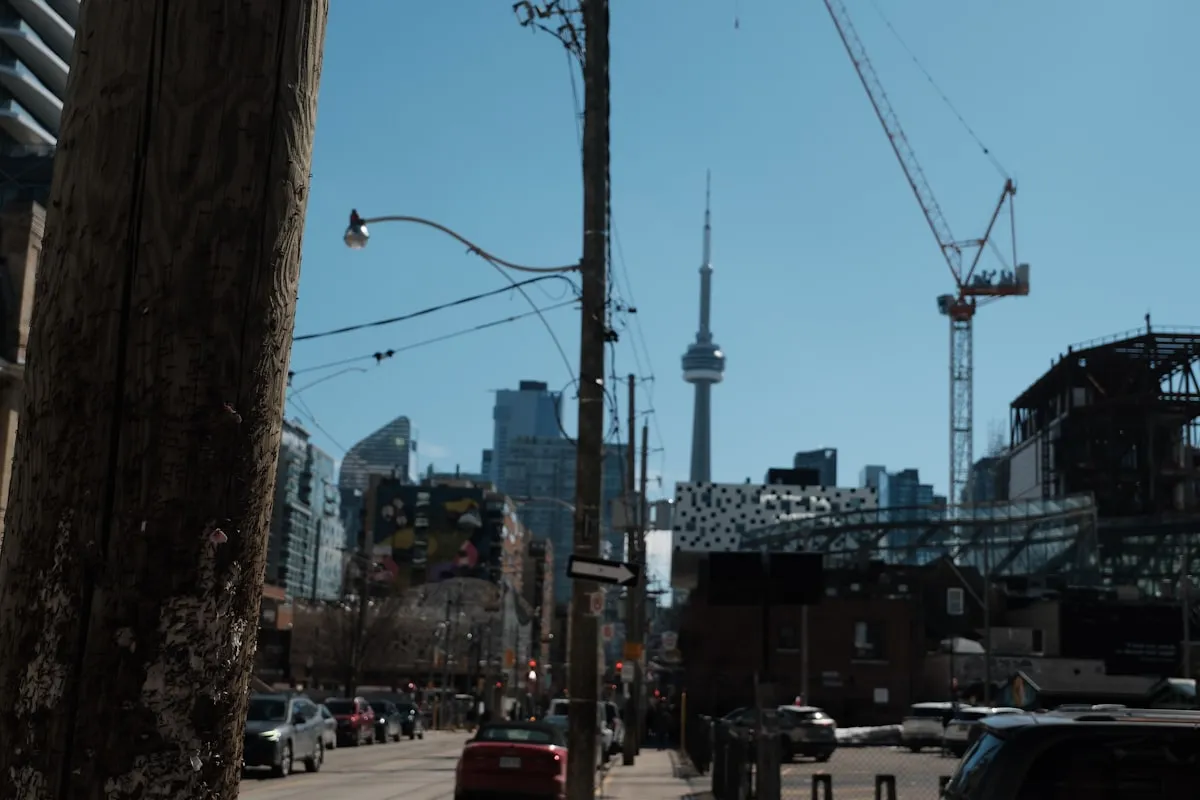
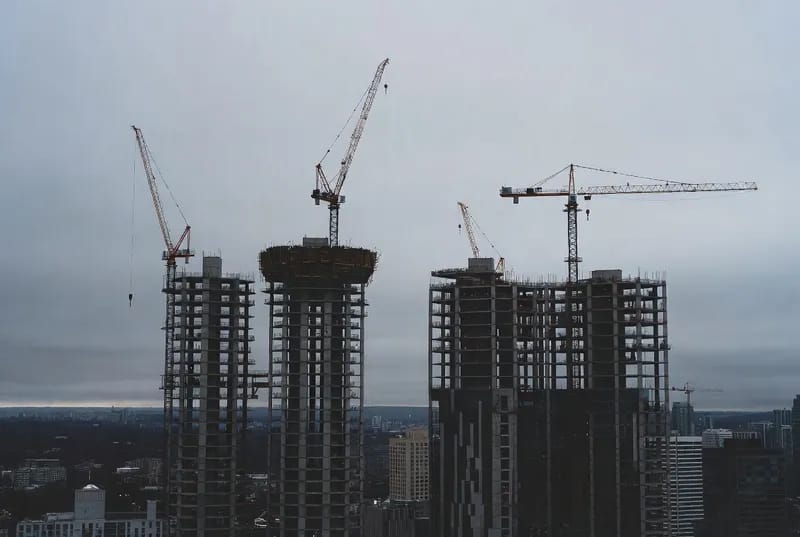
Start with housing. New condo sales in the GTA fell to 1,599 units last year — a 95 per cent collapse from 2021 and the lowest annual total since 1991. Twenty-eight projects were cancelled outright, wiping 7,243 units from the pipeline. Eighty-one per cent of condo investors who took out mortgages are now cash-flow negative, losing an average of $605 a month. The dream of building wealth through Toronto real estate is, for a generation of investors, actively bleeding money. (We wrote about the human side of this crisis in our deep dive on pre-construction buyers.)
And yet: landlords across the city are offering two months free rent. Some are throwing in three months, free parking, gift cards, and complimentary internet for a year. Sixty-three per cent of rental buildings are running concessions — double the rate from a year ago. Average one-bedroom rents dropped to $2,326, down over five per cent year-over-year. For the first time in a generation, Toronto renters have leverage.
Both of these things are real. The investors are underwater and the renters are finally catching a break, and the same collapsing market is producing both outcomes simultaneously.
The Food Paradox
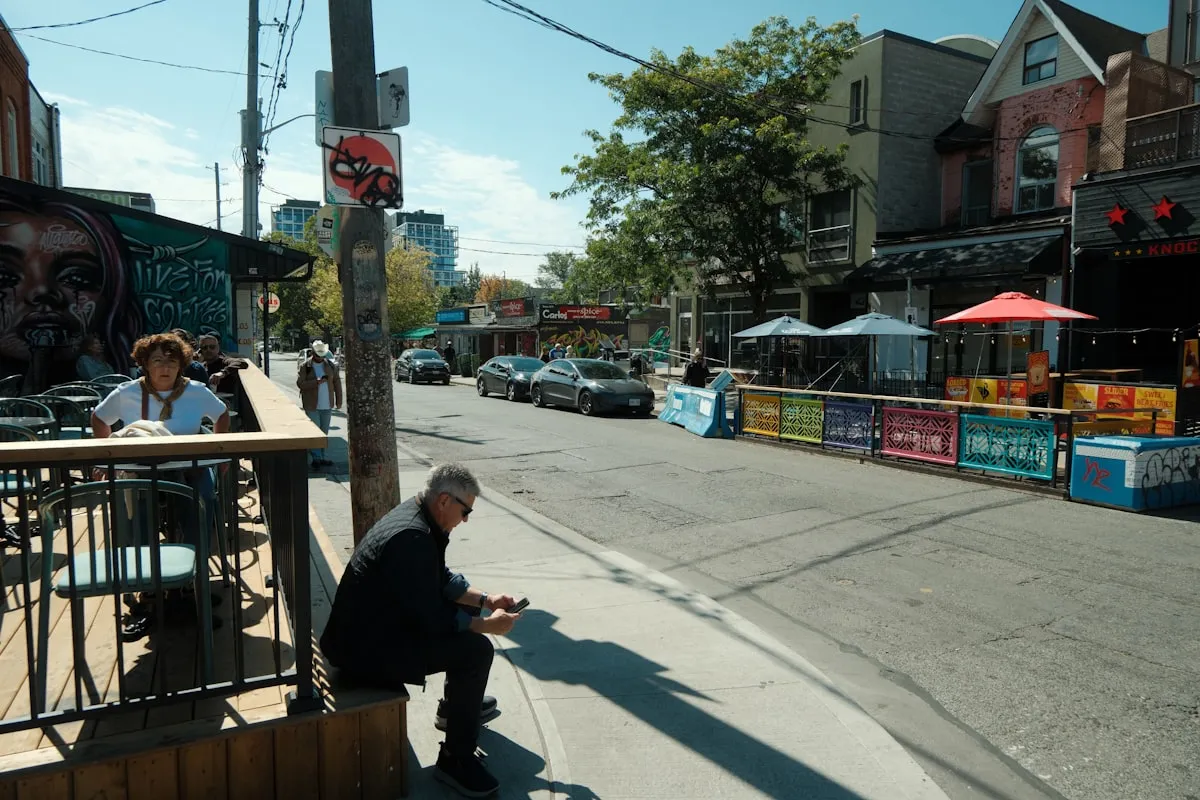
Toronto placed 29 restaurants on Canada's 100 Best list last year — nearly a third of every spot in the country. The Michelin Guide now recognizes 106 Toronto restaurants across 31 cuisine types. Keith Lee, TikTok's biggest food critic, chose Toronto as his first-ever international food tour, and the restaurants he visited saw lineups double overnight. There's no shortage of exciting new openings on the horizon, either.
Meanwhile, 4,000 Canadian restaurants are expected to close on a net basis this year, according to Dalhousie University's Agri-Food Analytics Lab. Forty-one per cent of food service businesses are operating at a loss or just breaking even. In the past year alone, Toronto lost the Imperial Pub after 81 years. San Francesco Foods after 71 — the place that introduced the city to the veal sandwich. Saving Grace after 25. Banu after 20. Glory Hole Doughnuts, Indie Ale House, La Bartola — a Michelin Bib Gourmand spot, gone.
Nobody captures this contradiction better than Jen Agg, the restaurateur behind Le Swan and formerly of Rhum Corner and Black Hoof — someone who has opened, run, and fought for restaurants in this city for over a decade. Her take on the current moment is blunt: "Lots of places are desperate for a spotlight but also can't really afford to give away meals." The restaurants that make Toronto a global food destination are the same ones being crushed by the economics of actually operating here.
The world's most viral food city is eating itself.
A Train That Took a Lifetime
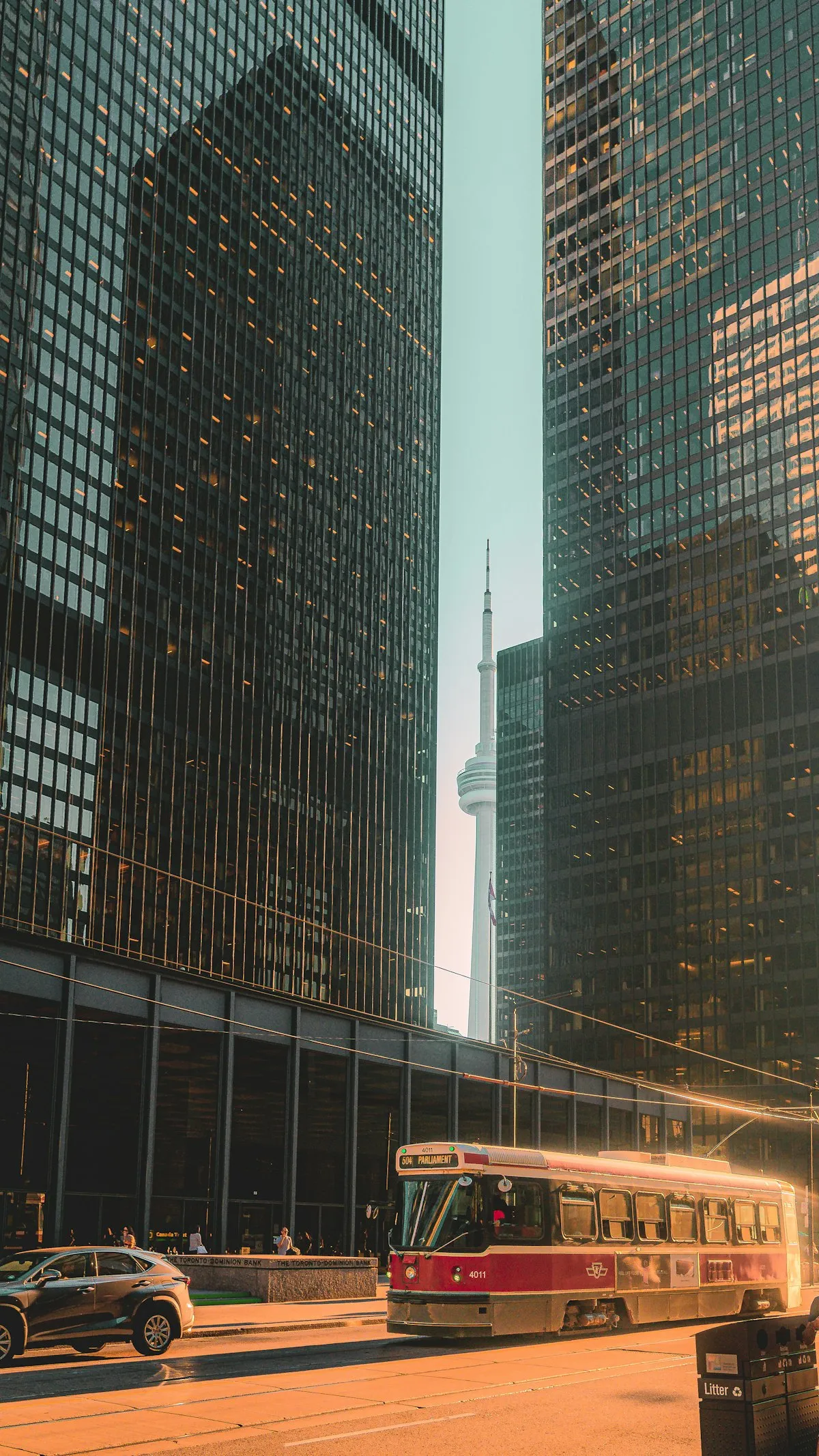
On February 8th, the Eglinton Crosstown LRT finally opened. Fifteen years of construction. Six years behind schedule. A final cost north of $13 billion — the original estimate was $4.6 billion. One rider on opening day was 20 years old. He'd been a toddler when they broke ground.
And here's the thing: it works. It's fast, it's smooth, the stations are modern and bright. Andrew Pulsifer from TTCRiders called it "fast" and "reliable." Elizabeth Driffield, a daily commuter, said it's "so much faster, so much more convenient" than the packed 34 Eglinton bus she used to ride. For a city that has been burned by transit promises more times than it can count, the Crosstown working is almost disorienting.
But a few kilometres north, the Finch West LRT keeps shutting down. Testing showed the parallel bus route was so much faster there was still time to grab a snack. And when asked about a public inquiry into the Crosstown's billion-dollar cost overrun, Doug Ford said he wasn't going to "waste time on inquiry and all the nonsense."
A thing can work and be a scandal at the same time. Toronto knows this intuitively.
The Scoreboard
The duality runs through everything. Here's what Toronto looks like when you put the numbers side by side:
| Falling Apart | Best Year |
|---|---|
| Condo sales at a 34-year low (1,599 units) | Landlords offering 2–3 months free rent |
| 81% of condo investors losing money | One-bedroom rents down 5%+ year-over-year |
| 4,000 restaurants expected to close | #1 viral food city in the world |
| Unhoused population hit 15,400 (doubled in 3 years) | 28.2M tourists, $9.1B in spending (record) |
| Youth unemployment at ~20% | World Cup: $940M projected economic impact |
| Ranked dead last in Canadian livability (0/100) | 84% of consumers choosing Buy Canadian |
| Eglinton Crosstown: $13B, 15 years late | Eglinton Crosstown: it actually works |
Every one of those rows describes the same city in the same year. That's the thing.
Toronto's unhoused population hit 15,400 in 2024 — more than double the count from three years earlier. Walk through any downtown neighbourhood and you'll see it. Then check the tourism board's latest report: 28.2 million visitors last year, generating $9.1 billion in direct spending, a new record. The same streets, the same city, two completely different realities depending on which direction you look.
The job market tells the same split story. Youth unemployment is sitting at roughly 20 per cent, near post-financial-crisis highs, with older workers actively displacing younger ones in retail and service jobs. A generation of graduates is stuck. And yet the World Cup kicks off in June — six matches at BMO Field, projected to deliver $940 million in economic impact and 300,000 out-of-town visitors. The biggest sporting event this country has ever hosted, arriving in a city where a fifth of its young people can't find work.
Then there's the identity question. The dNOVO Group's 2026 livability study ranked Toronto dead last among 28 Canadian cities. Zero out of 100. Even Windsor scored 66. By the study's metrics, this is the worst major city in the country to live in. And somehow, in this same city, the Buy Canadian movement — born from trade-war anger and a collective refusal to spend money south of the border — is doubling sales at local businesses. Eighty-four per cent of Toronto consumers are actively choosing Canadian products. Province of Canada, a Toronto clothing retailer, has nearly doubled its revenue every month since January. The city that ranks worst for livability is also experiencing a surge of local pride unlike anything in recent memory.
The City That Contains Multitudes
There's a temptation to pick a side. Toronto is declining. Toronto is having a moment. The pessimists have data. The optimists have data. Everybody's right.
But the more honest thing — the more Toronto thing — is to hold both at once. To ride a beautiful new train through a neighbourhood that was torn apart for 15 years to build it. To wait in line at a place with 10,000 TikTok posts while the spot next door puts up a "closed permanently" sign. To finally get two months free on a lease and know, in the back of your mind, that condo completions are heading toward historic lows, and this window of mercy has an expiration date.
That's what living here feels like right now. Not good. Not bad. Everything, all at once, on the same block, in the same week, sometimes in the same sentence.
Toronto in 2026 isn't a city in decline or a city on the rise. It's a city vibrating at a frequency where both of those things are true, neither cancels the other out, and the only people who really understand it are the ones who live here.