The Ontario Budget Just Dropped. Here's What It Means for Toronto.
Ontario tabled its 2026 budget on March 26, and as usual, a lot of it is about highways in places you've never been. But buried in the 200-plus pages is a surprising amount that will directly hit your wallet, your commute, and your weekend plans in the city. Here's what actually matters.
Your Commute Gets a Little Cheaper (Again)
The One Fare program — the one that lets you tap onto GO, the TTC, MiWay, and other GTHA transit systems on a single fare — is being extended for another two years. If you're a daily cross-boundary commuter, that's up to $1,600 a year staying in your pocket. Since launching in 2024, the program has saved riders a combined $233 million and enabled 72 million free transfers.
Meanwhile, the province is putting nearly $1 billion toward 55 new subway trains for Line 2. If you've ever been packed like sardines on the Bloor-Danforth line during rush hour, this one's for you. The trains will be built by Alstom, partly at their Ontario facilities, supporting around 950 Canadian jobs.
The Ontario Line has ground broken on all sections and is targeting 2031 (the province's timeline, anyway). The Scarborough Subway Extension tunnelling is past the halfway mark. And planning is underway for extensions of the Sheppard line in both directions — a project that's been more theoretical than real for decades.
Buying a Home? There's a Catch (and a Rebate)
Starting April 1, the province is offering a temporary HST rebate of up to $130,000 on new homes priced at or below $1.5 million. That's the full 8% provincial portion of the HST eliminated on homes up to $1 million, and a combined federal-provincial rebate up to $1.5 million. It applies to purchases made through March 2027 with construction starting by the end of 2028.
The government expects it to spur 8,000 housing starts. But there's a detail worth noting: when this temporary rebate expires, Ontario plans to eliminate the existing permanent HST rebate on new homes entirely. So the window is real, but it is a window.
The province is also partnering with the city and Habitat for Humanity to build 33 modular homes at 355 Coxwell Avenue — a small but concrete move on affordable housing.
No More $800 Leafs Tickets (Legally, Anyway)
In a move timed perfectly for the FIFA World Cup coming to Toronto this summer, the province is making it illegal to resell tickets for more than face value. That covers concerts, sports, theatre, and cultural events held in Ontario. Whether StubHub and the secondary market actually comply is another question, but it's a clear signal — and one that will resonate with anyone who's tried to see the Raptors or catch a show at Massey Hall lately.
Big Moves on Toronto Landmarks
Ontario Place is getting over $2 billion for its waterfront transformation, expected to wrap by 2029 and create 5,700 jobs. The AGO is getting $35 million over two years for its Dani Reiss Modern and Contemporary Gallery expansion, plus a $21 million annual boost to operating funds shared with the ROM. That said, the budget's cultural spending is heavily weighted toward big institutions — there's nothing notable for Toronto's independent arts scene, small galleries, or grassroots cultural organizations.

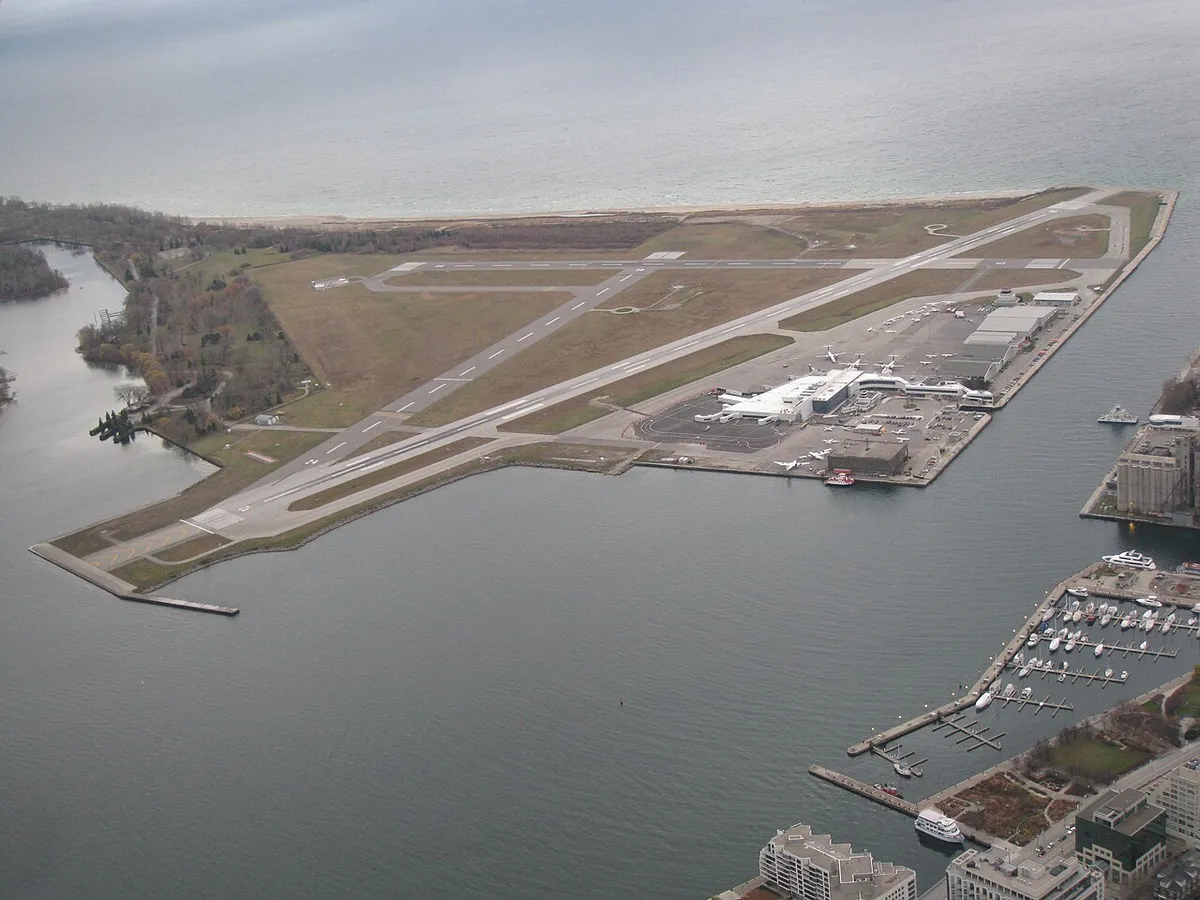
Billy Bishop Airport is the interesting one. The province is introducing legislation to assume governance of the island airport from the city and acquire city-owned land to support expansion. What that means for jet service, noise, and the waterfront is going to be one of the most contentious Toronto conversations of the year.
And a quieter but notable move: new legislation will repeal the bus parking requirements at 305 Bremner, next to what the province still calls the Rogers Centre, opening up that site for redevelopment. The SkyDome district is about to get a lot more interesting.
The 401 Tunnel and Highway 413
The province is spending $9.1 million to study whether a tunnel expressway under Highway 401 is feasible. Fieldwork starts this spring. It sounds wild, but if you've ever sat in 401 traffic through North York, you understand the desperation.
Highway 413 — the controversial six-lane highway cutting through Halton, Peel, and York — is moving ahead with construction already underway. The province says it'll save drivers 30 minutes per trip. Environmentalists remain deeply skeptical.
Meanwhile, the Gardiner Expressway rehabilitation got $73 million and reopened all six lanes last November. The province says it's saving commuters 22 minutes per trip.
The Tariff Shadow
This budget lands against an uncomfortable backdrop: 40,000 jobs lost in Ontario's auto, steel, and aluminum sectors over the past year, and a 7.6% unemployment rate. The province's main response is a $150 million Ontario Together Trade Fund to help small and medium businesses find new markets beyond the U.S., plus POWER Centres that have helped nearly 15,000 displaced workers with retraining and job matching. But there's no large-scale, sector-specific rescue package for the workers who've actually lost shifts. The $4 billion Protect Ontario investment fund is designed to diversify the economy over time, not to put money in anyone's pocket next month.
Healthcare, Schools, and the Rest
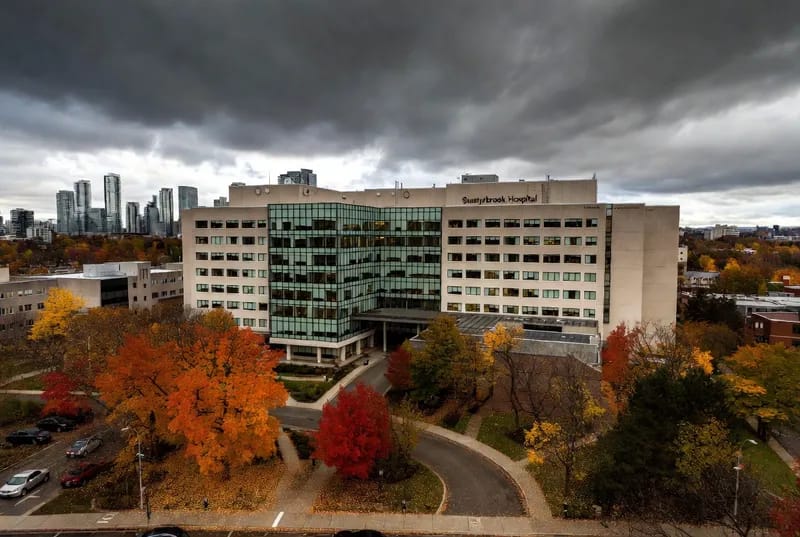
Scarborough Health Network is getting 27 new hemodialysis stations. Belmont House in Toronto is adding 168 new long-term care beds. The province is investing $64 billion over the next decade in health infrastructure, including 3,000 new hospital beds and 50-plus hospital projects province-wide.
On education, elementary teachers are getting a $750 annual supply card — a small but appreciated acknowledgment that they've been buying their own markers for years. Childcare fees are holding at $19 per day through a $3.6 billion federal-provincial extension.
The Price Tag
All of this comes with a $13.8 billion deficit for 2026-27, up from $12.3 billion this year. The province says it'll narrow to $6.1 billion by 2027-28, but given the tariff uncertainty and the economic headwinds already hitting, those projections feel more aspirational than assured.
The small business tax cut — from 3.2% to 2.2%, effective July 1 — will cost the province $1.1 billion over three years but benefit 375,000 businesses with average savings of $5,000 annually. Gas taxes stay permanently cut to 9 cents per litre.
It's a budget that tries to do a lot for a lot of people, and Toronto gets more than its usual share of attention. Whether any of it materializes on schedule is the question that will define the next few years. Ask us again when the first new Line 2 train actually shows up.