Very Toronto
NewsEatsBlogEventsBest OfNew & Hot
Best of Toronto

The Best Free Things to Do in Toronto

Our curated guide to the best free things to do in Toronto — researched, ranked, and recommended by Very Toronto editors.

Updated recently8 Destinations
No.1
Art Gallery of Ontario (AGO)
EntertainmentDowntown West

Art Gallery of Ontario (AGO)

Admission is free every first Wednesday night of the month from 6 PM to 9 PM, offering a chance to explore its stunning Frank Gehry-designed architecture and diverse collections.

— Very Toronto Editors

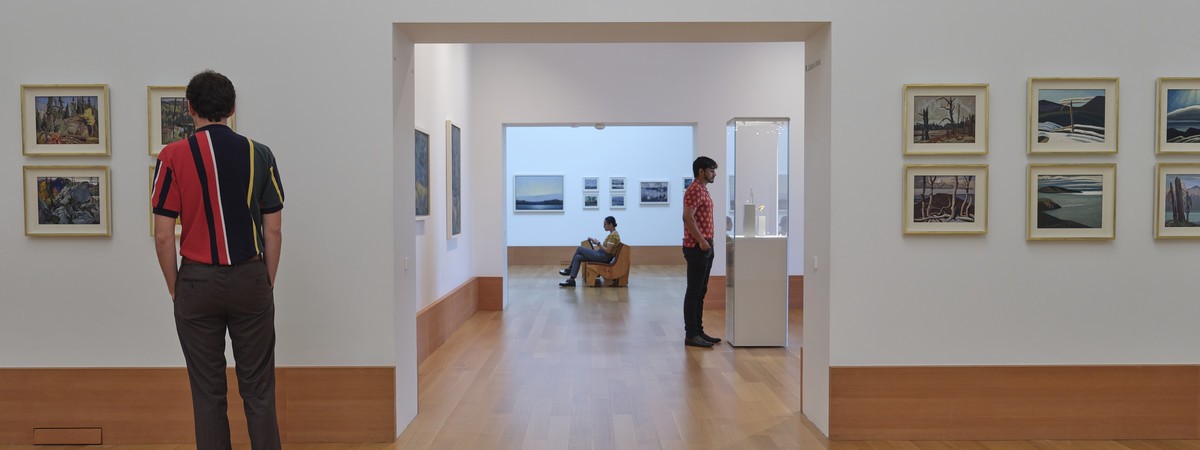
The Art Gallery of Ontario is a cornerstone of the Downtown West cultural scene, housed in a striking building that blends historic architecture with Frank Gehry’s iconic, light-filled glass and wood expansion. It holds one of the largest collections in North America, anchored by an unparalleled assembly of Canadian and Indigenous works, including the definitive collection of the Group of Seven. The atmosphere is grand yet accessible, offering a quiet respite from the bustle of Dundas Street. Whether you are wandering through the expansive contemporary galleries or spending time in the intimate, light-drenched Galleria Italia, the space feels deeply connected to Toronto’s identity, serving as both a serious institution for art history and a communal hub for the city’s creative pulse. For a first-timer, prioritize the Indigenous and Canadian galleries before heading to the contemporary wing. If you need a break, the AGO Bistro offers a refined lunch, but for a quicker bite, the cafe is reliable. Admission can be pricey, so consider an annual pass if you plan to visit more than twice, as it pays for itself quickly. Aim for Wednesday evenings when general admission is often free, though be prepared for crowds. The museum is massive, so don't try to see everything in one go; pick two wings and commit to them. Check their website ahead of time for special exhibitions, as these often require timed tickets that sell out well in advance, especially on weekends.

No.2
Royal Ontario Museum (ROM)
EntertainmentBloor-Yorkville

Royal Ontario Museum (ROM)

Experience world-class exhibits for free on the third Tuesday of every month from 4:30 PM to 8:30 PM; be sure to reserve your tickets online in advance.

— Very Toronto Editors

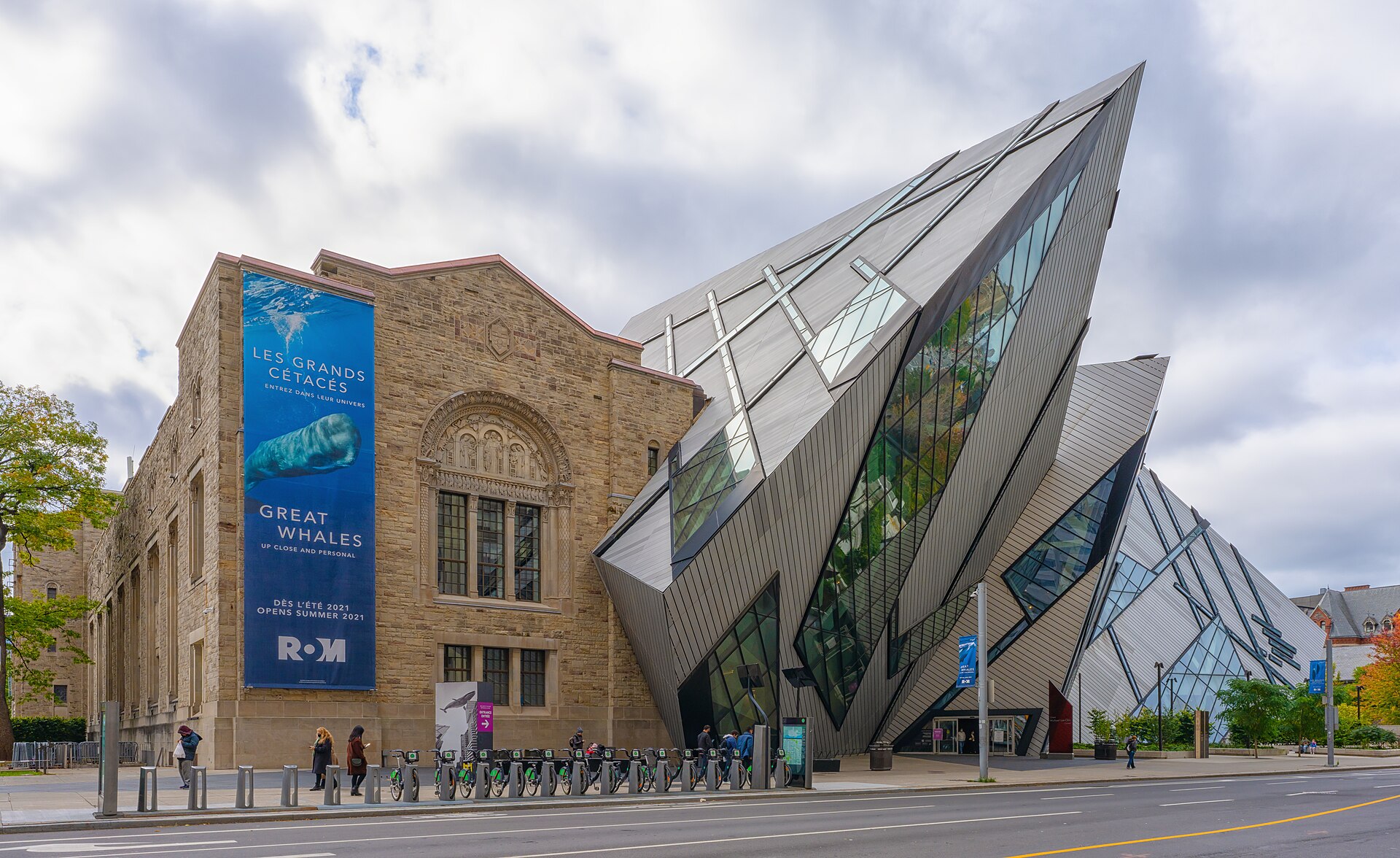
Established in 1912 and opened to the public in 1914, the Royal Ontario Museum (ROM) stands as a cornerstone of Toronto’s cultural landscape in the heart of Bloor-Yorkville. It is a fascinating study in architectural contrast, where the stately, historic heritage building is dramatically pierced by the sharp, angular glass and metal of the Michael Lee-Chin Crystal. As Canada’s largest museum, it holds an staggering collection of over 18 million artifacts and specimens. The vibe is expansive yet surprisingly intimate in its specific galleries, ranging from the awe-inspiring dinosaur skeletons that dominate the natural history wing to the quiet, contemplative spaces housing ancient Egyptian mummies and intricate East Asian art. It is a place where the city’s academic roots meet modern, global perspectives. For a first-timer, the dinosaur gallery and the Burgess Shale fossils are non-negotiable stops. If you are looking to avoid the weekend rush, aim for a weekday morning or late afternoon. Tickets are best booked online in advance to save time and money, especially if you are planning to see a special exhibition. While there are cafes on-site, you are steps away from the dense dining scene of Yorkville, which is perfect for a post-museum meal. Wear comfortable shoes, as the sheer scale of the building means you will be doing a significant amount of walking. Keep in mind that the museum is closed on Mondays, so plan your visit accordingly.

No.3
High Park
EntertainmentHigh Park North

High Park

Visit in spring for the breathtaking cherry blossoms, or year-round to enjoy the free High Park Zoo, home to bison, capybaras, and llamas.

— Very Toronto Editors

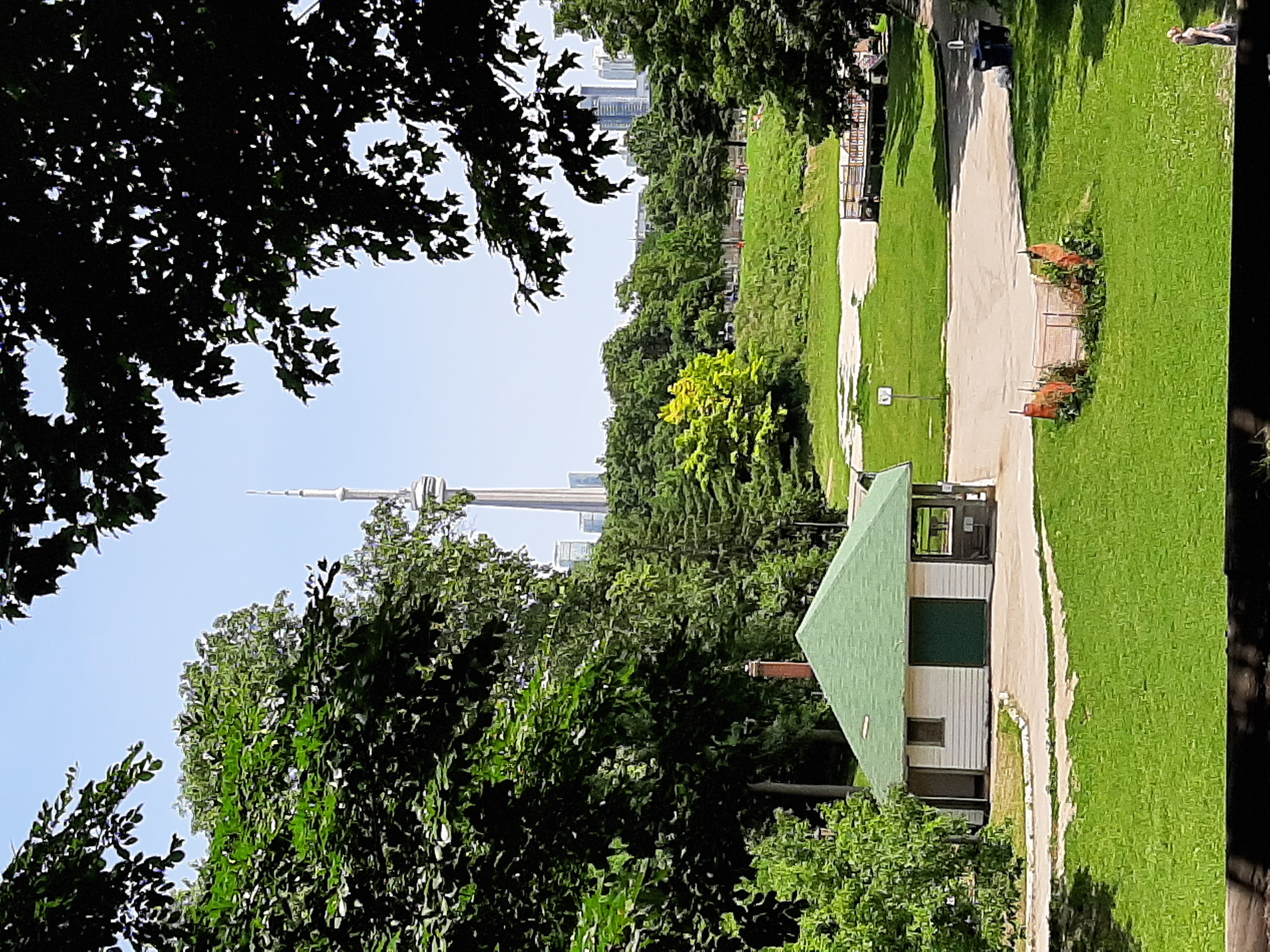
High Park is the city’s definitive green lung, a sprawling 399-acre landscape that feels worlds away from the surrounding urban density. Originally the private estate of surveyor John George Howard and his wife Jemima, the land was bequeathed to the city in 1873 with the stipulation that it remain free for public enjoyment forever. It is defined by its dramatic topography—the name itself comes from its high elevation overlooking the Humber Bay—and its rare black oak savannah, an endangered ecosystem that is meticulously managed by the city. The vibe shifts depending on where you wander: you can find quiet, contemplative solitude along the trails bordering Grenadier Pond, or join the bustling energy of families and cyclists near the central playgrounds and the small, free zoo. It is the heart of the west end, deeply integrated into the fabric of the High Park North and Roncesvalles neighbourhoods. For a first-timer, the best approach is to ditch the car, especially on weekends when vehicle access is restricted. Take the subway to High Park station and walk south; you will immediately feel the temperature drop as you enter the canopy. If you are visiting in spring, the cherry blossoms are the main event, but expect massive crowds. For a quieter experience, visit in the early morning or during the autumn when the foliage is spectacular. There is no entry fee, and while there are cafes within the park, many locals prefer to pack a picnic to enjoy at one of the many designated spots. Keep in mind that the park is hilly, so wear comfortable shoes, and always stay on marked trails to protect the fragile savannah areas. It is a year-round destination, offering everything from skating in the winter to outdoor theatre in the summer.

No.4
Evergreen Brick Works
EntertainmentDon Valley

Evergreen Brick Works

The Saturday Farmers' Market is a must-visit for local produce and artisan goods, set against the backdrop of beautifully repurposed heritage buildings.

— Very Toronto Editors

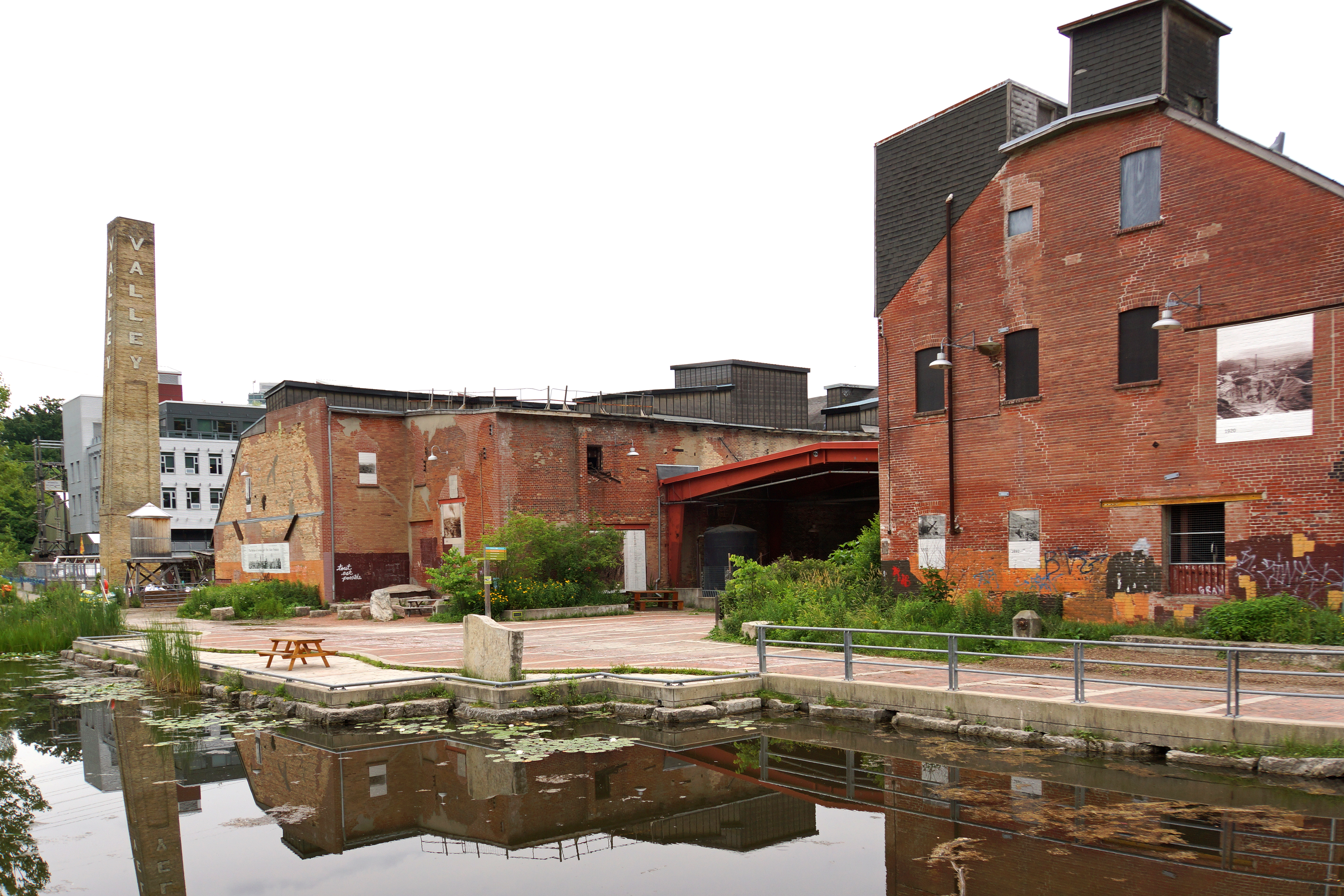
Evergreen Brick Works is a masterclass in adaptive reuse, transforming the historic Don Valley Brick Works—the very site that supplied the bricks for many of Toronto’s iconic landmarks—into a sprawling, industrial-chic environmental hub. Managed by the national charity Evergreen, this site feels less like a tourist attraction and more like the city’s communal backyard. The atmosphere is defined by its raw, exposed brick structures, soaring steel beams, and the lush, encroaching greenery of the surrounding Don Valley ravines. It is a place where industrial heritage meets forward-thinking sustainability, creating a unique, multi-layered vibe that shifts from bustling market energy on weekends to a serene, reflective escape during the quieter weekdays. For a first-timer, the Saturday Farmers' Market is the main event, offering an unparalleled selection of Ontario-grown produce, artisanal cheeses, and local baked goods. If you’re just stopping by for a bite, head to Picnic Café for a reliable coffee and a fresh pastry, or grab some prepared food from the market vendors to enjoy at the communal tables. Admission to the site is free, though parking is paid and fills up fast, so taking the free shuttle from Broadview Station is a pro move. Visit in the winter to skate on the open-air rink under the heritage beams, or in the warmer months to hike the surrounding trails. It’s a casual, pay-as-you-go environment, so bring a tote bag for market finds and dress for the weather, as much of the site is open-air.

No.5
Distillery District
EntertainmentOld Town

Distillery District

Stroll the cobblestone streets and admire the beautifully preserved 19th-century buildings, especially enchanting during seasonal festivals and markets.

— Very Toronto Editors

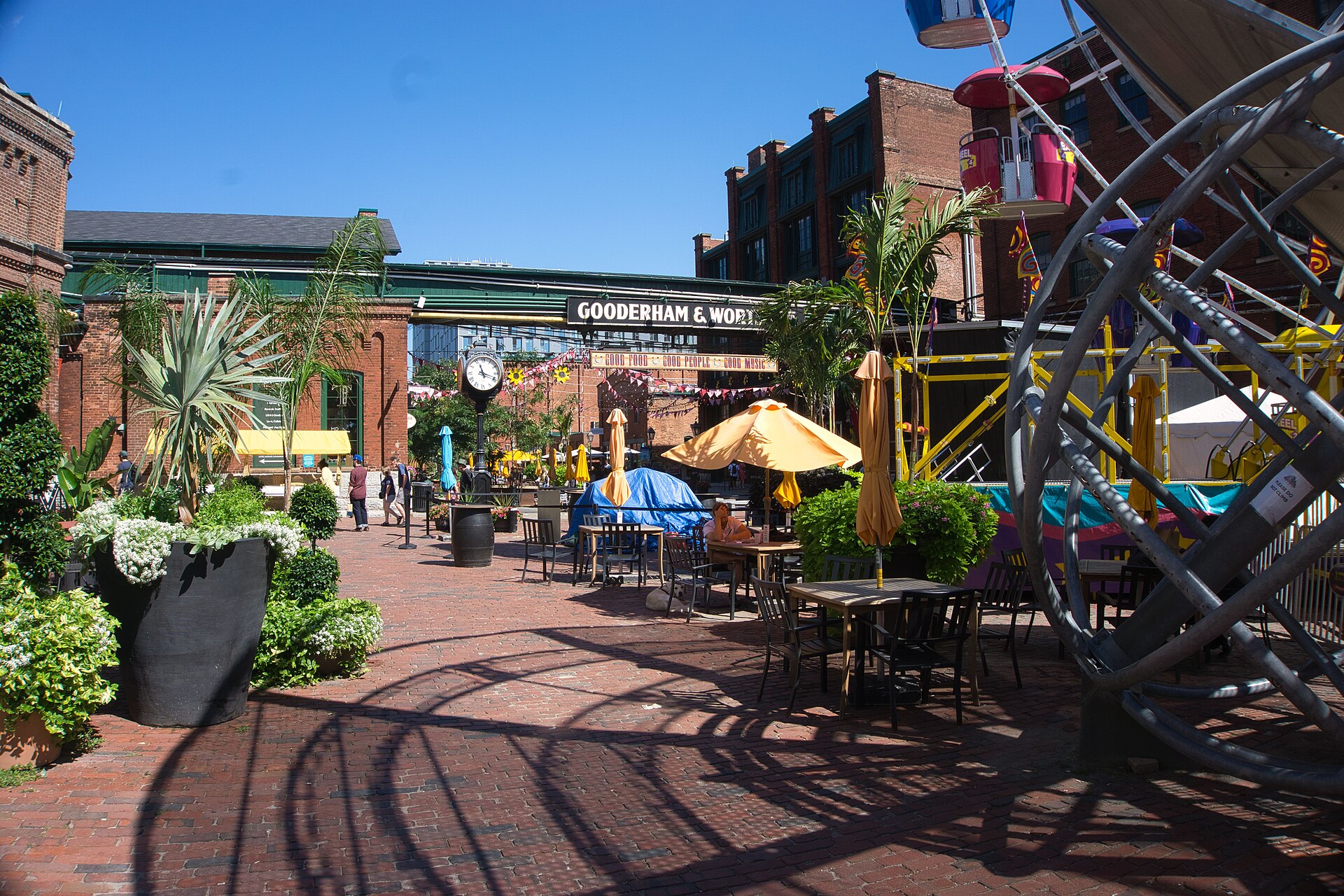
Originally established in 1832 as the Gooderham and Worts Distillery, this site once operated as the largest distillery in the British Empire. After falling into disuse during the 20th century, the 13-acre complex was meticulously restored and reopened in 2003 as a pedestrian-only cultural hub. It remains the best-preserved collection of Victorian-era industrial architecture in North America, characterized by its iconic red-brick warehouses, winding cobblestone streets, and a palpable sense of history that feels distinct from the glass-and-steel aesthetic of the nearby financial core. Today, the district serves as a vibrant, year-round destination for arts, culture, and independent retail, intentionally avoiding big-box chains to maintain its unique, European-style village atmosphere. For a first-timer, start your visit with a coffee at Balzac’s, housed in a stunning two-storey space that captures the district's industrial charm perfectly. If you are looking for a meal, El Catrin is a local staple for Mexican fare with a massive, lively patio, while the Mill Street Brew Pub offers a nod to the area's brewing heritage. Prices here generally skew mid-to-high, reflecting the premium location. Reservations are highly recommended for dinner, especially on weekends. The district is best experienced on foot, so wear comfortable shoes for the uneven cobblestones. Avoid visiting during the peak of the Winter Village in December if you dislike crowds, as the area becomes extremely congested; instead, aim for a weekday morning or early afternoon to truly appreciate the architecture and browse the galleries without the bustle.

No.6
Allan Gardens Conservatory
EntertainmentGarden District

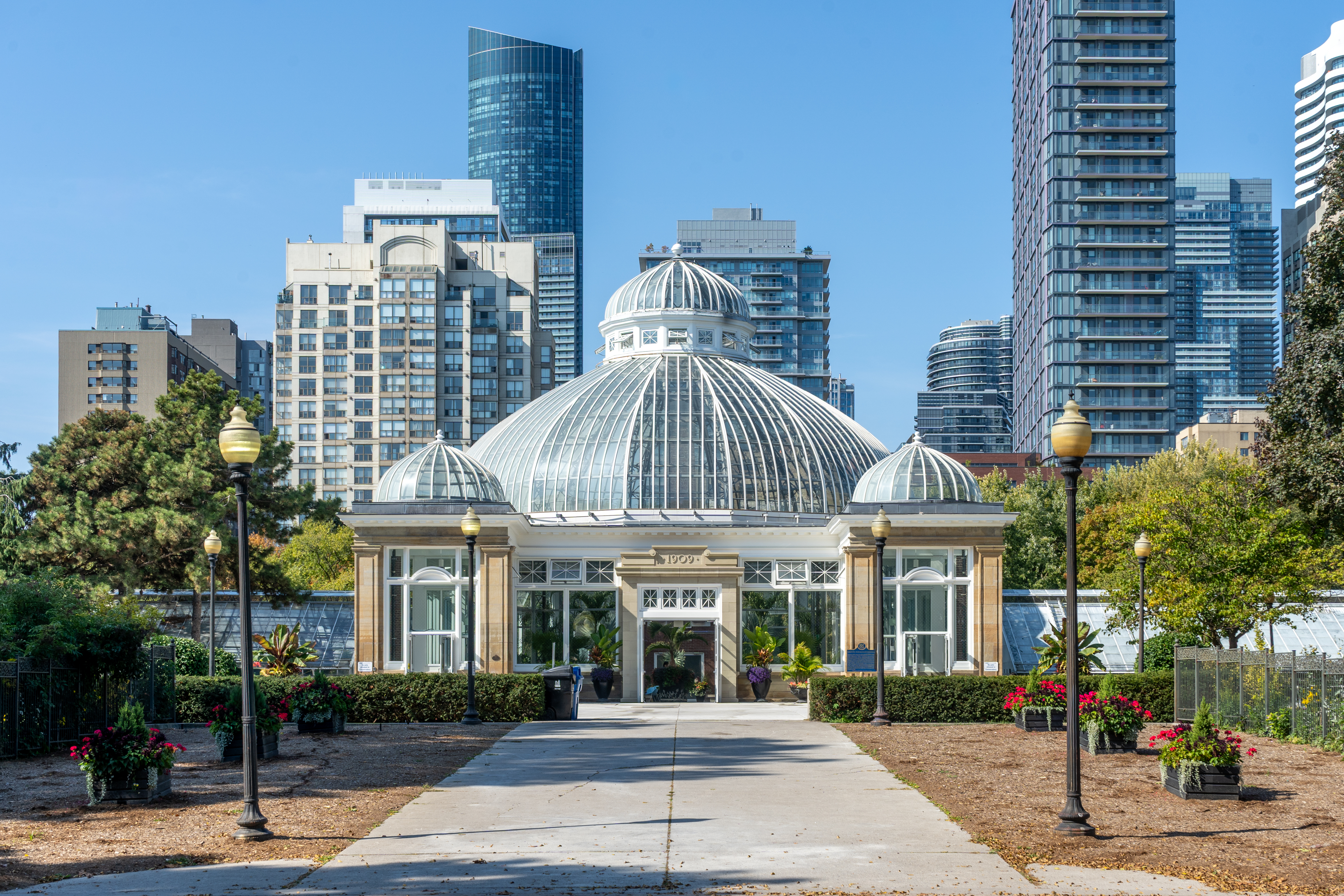
Allan Gardens Conservatory

Escape the urban hustle into a lush, humid oasis, particularly refreshing during colder months, and marvel at the exotic tropical flora.

— Very Toronto Editors

Nestled in the heart of the Garden District, Allan Gardens Conservatory is one of Toronto’s oldest and most cherished public spaces. The land was gifted to the city in 1858 by former mayor George William Allan, with the condition that it remain a free, accessible green space for all. While the original pavilion was lost to a fire in 1902, the stunning, classically proportioned Palm House—the site's architectural centerpiece—was completed in 1910 and remains a beloved heritage landmark. Today, the conservatory comprises six interconnected greenhouses that offer a lush, humid escape from the city’s concrete grid, especially during the harsh winter months. The atmosphere is quiet and contemplative, making it a perfect spot to wander through diverse collections, ranging from arid cacti and succulents to vibrant tropical blooms and towering palms. Admission is entirely free, and the conservatory is open daily from 10 a.m. to 5 p.m., 365 days a year. For the best experience, aim for a weekday morning to avoid the weekend crowds and enjoy the serene, jungle-like environment in peace. There are no food or drink services on-site, and outside food is not permitted inside the greenhouses, so plan your meals accordingly in the surrounding neighbourhood. Keep in mind that this is a living, fragile collection, so stay on the paths and avoid touching the plants. While it’s a fantastic spot for personal photography, remember that any professional or staged shoots require a formal booking. It is a simple, no-frills urban sanctuary that rewards those who take the time to slow down and breathe in the tropical air.

No.7
Riverdale Farm
EntertainmentCabbagetown

Riverdale Farm

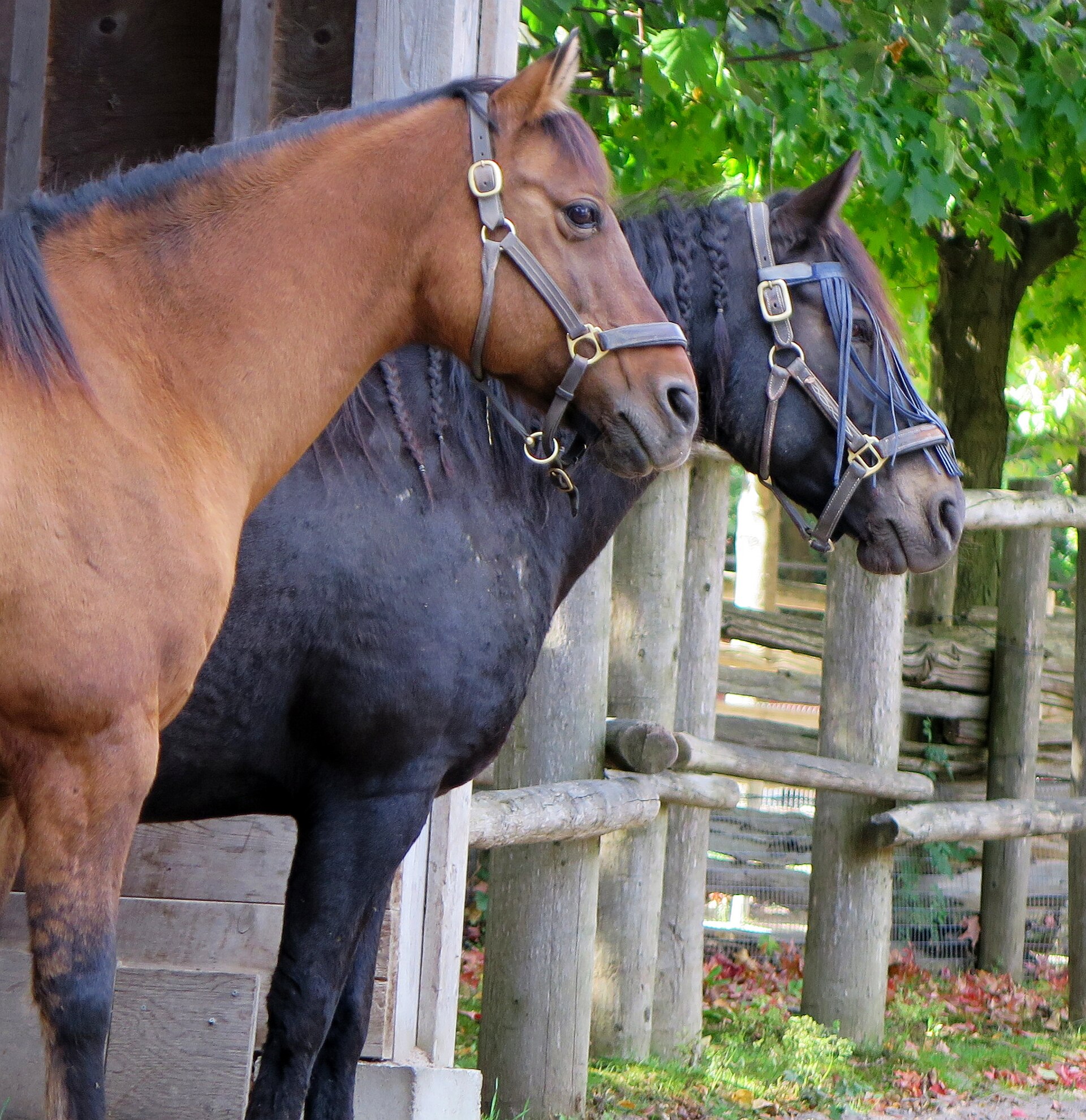
Kids and adults alike will enjoy watching the daily 'Farmer Demo' at 11:30 AM, where you can see animals being fed and goats being milked.

— Very Toronto Editors

Riverdale Farm is a fascinating, 7.5-acre slice of rural Ontario history preserved right in the middle of Cabbagetown. Opened in 1978 on the site of Toronto’s original zoo, it serves as a living tribute to the city’s agricultural roots. The atmosphere is remarkably tranquil, featuring winding trails, ponds, and historic structures like the 1858 Francey Barn—a rare Pennsylvania Bank Barn relocated here in the 1970s. You will also spot remnants of the old zoo, including the zookeeper’s residence, which adds a layer of eerie, historical intrigue to the landscape. It is a genuine working farm, not a petting zoo, which means the focus is on observing the daily rhythms of livestock like cows, pigs, sheep, goats, and poultry in a respectful, quiet environment. Admission is completely free, making it an ideal spot for a low-key afternoon stroll or a picnic in the adjacent Riverdale Park West. Since it is a functional farm, remember that feeding or petting the animals is strictly prohibited to ensure their health and safety. The best time to visit is during the shoulder seasons or on a weekday morning when you can avoid the weekend crowds and truly appreciate the quiet oasis. Note that dogs, bicycles, and scooters are not allowed on the property, so plan accordingly. Check the chalkboard at the entrance to the Francey Barn to see which animal the farmer is highlighting that day.

No.8
The Bentway
EntertainmentFort York

The Bentway

Check their ever-changing schedule for unique art exhibits and free programming that creatively re-imagines urban public spaces.

— Very Toronto Editors

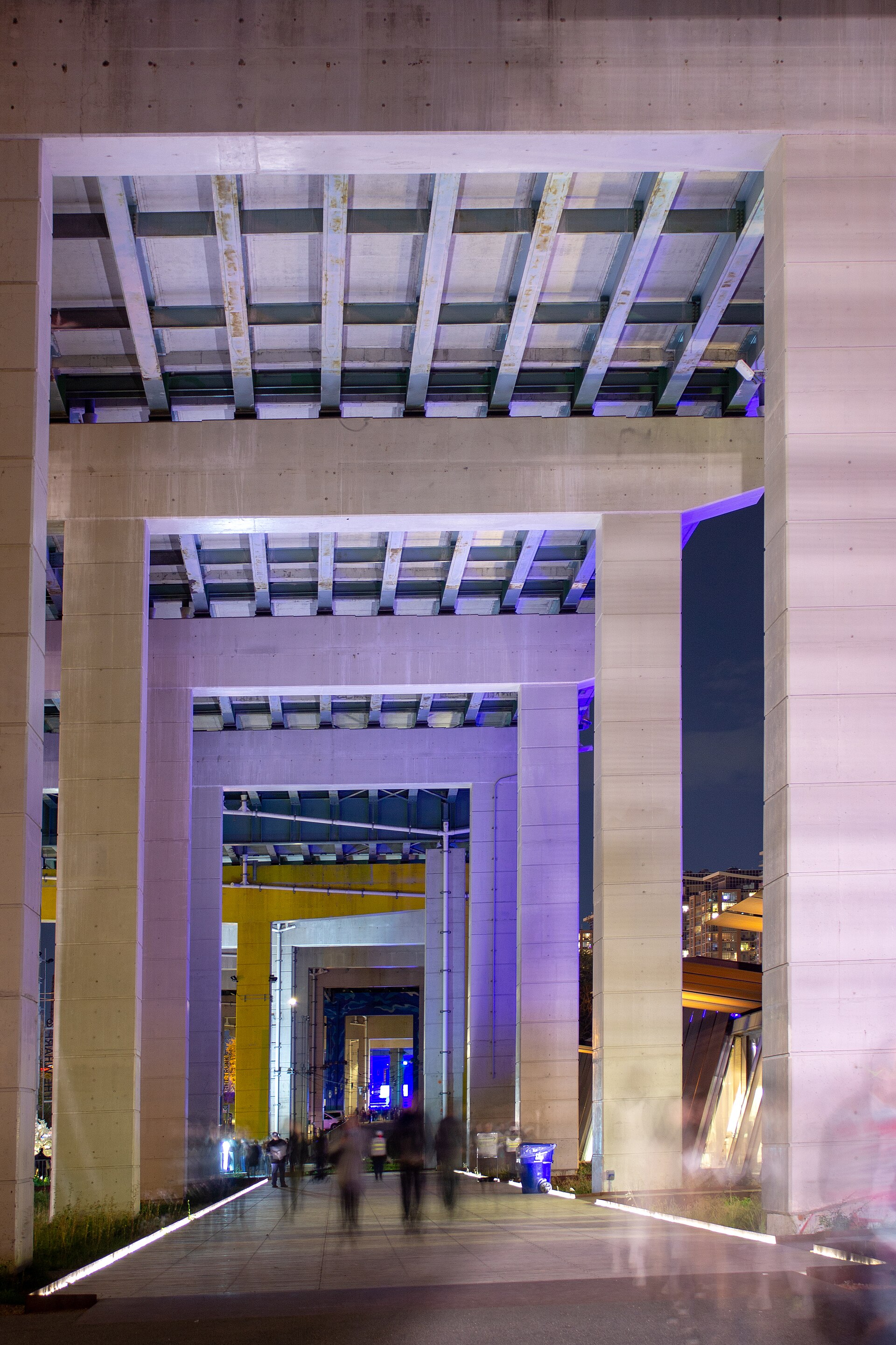
The Bentway is a masterclass in urban reclamation, turning the cavernous, concrete space beneath the Gardiner Expressway into a vital artery for Toronto’s public life. Managed by The Bentway Conservancy, this project has successfully stitched together the historic Fort York neighbourhood with the waterfront, creating a unique industrial-meets-modern atmosphere. It is defined by its raw, brutalist aesthetic, which serves as a stark but compelling backdrop for a rotating roster of contemporary art installations, large-scale community gatherings, and cultural programming. Unlike traditional parks, the space feels distinctly Torontonian—gritty, adaptive, and constantly evolving. It is a place where the city’s infrastructure is reclaimed for human connection, offering a sheltered, wind-protected environment that remains active even when the weather turns, making it a rare outdoor space that feels just as relevant in November as it does in July. For the first-timer, the experience is entirely dependent on the season. In winter, the figure-eight skate trail is the main draw; it is free to use, though you should arrive early on weekends to avoid long rental queues. During the warmer months, the space hosts everything from markets to film screenings, so check their calendar before heading down. There is no admission fee for the site itself, making it one of the most accessible public spaces in the city. While there are no permanent restaurants on-site, you are steps away from the dense food scene of Liberty Village and CityPlace, so grab a coffee or a bite nearby before walking over. It is an open-air environment, so dress for the elements, and keep in mind that while the space is well-lit, it is best enjoyed during daylight or early evening events.