TIME AND TRANSFORMATION
Sunday, June 21, 2026
12:00 a.m. – 12:00 a.m.
Meridian Arts Centre: George Weston
For those who prefer their Sunday afternoons steeped in intellectual rigour and emotional depth, the Meridian Arts Centre’s upcoming 'Time and Transformation' concert is a rare treat. This isn't just a collection of pieces; it is a curated journey through the 20th century’s most fascinating structural experiments. By pairing the brevity of Dohnányi with the rhythmic playfulness of Poulenc and the monumental scope of Sibelius, the program offers a masterclass in how composers manipulate time, motif, and dialogue to create something entirely new.
A Study in Contrasts
The concert kicks off with Ernő Dohnányi’s *Symphonic Minutes*. If you’re the type of listener who appreciates efficiency, this is for you. Dohnányi, a titan of Hungarian music, manages to pack the complexity of a full-scale symphonic work into five movements that barely linger long enough to catch your breath. It’s a delightful, witty opener that sets a brisk pace for the afternoon.
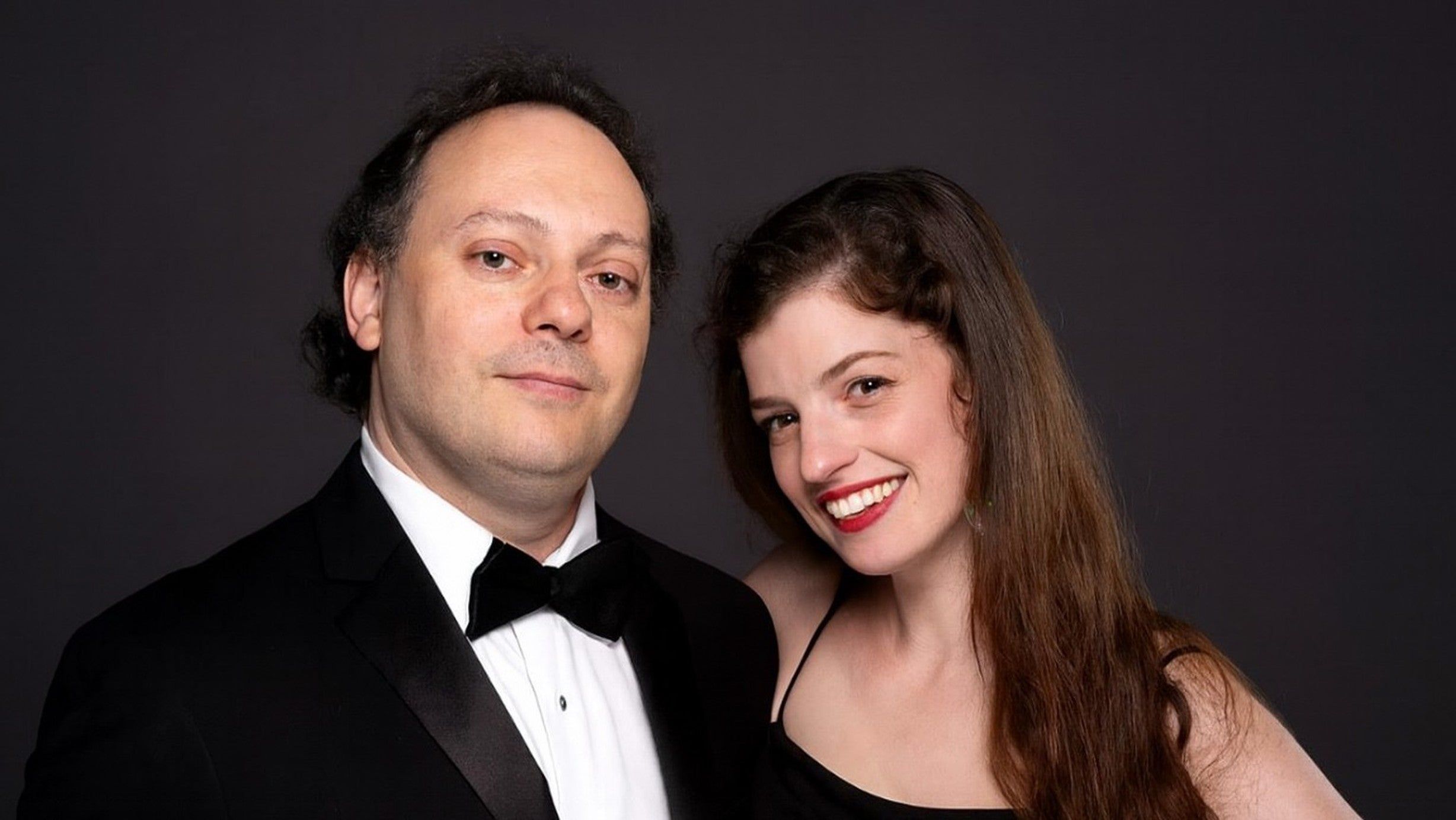
Following this, the atmosphere shifts to the vibrant, percussive energy of Francis Poulenc’s *Concerto for Two Pianos and Orchestra*. This is where the program truly sparkles. Featuring the virtuosic duo of Michael Berkovsky and Coral Solomon, the piece is a fascinating historical artifact. Poulenc was famously captivated by the sounds of Balinese gamelan music at the 1931 Colonial Exhibition in Paris, and you can hear that influence in the concerto’s shimmering, metallic textures and syncopated rhythms. Berkovsky and Solomon are known for their technical precision, and their ability to navigate the playful, almost conversational dialogue between the two pianos will be the highlight of the day.
The Grand Finale
The afternoon concludes with Jean Sibelius’ *Symphony No. 2*. While the first half of the concert focuses on wit and brevity, Sibelius demands total immersion. This symphony is often described as the composer’s 'pastoral' work, but it is far more than a simple nature walk. It is a structural marvel. The way Sibelius builds an entire world out of a simple, rising three-note motif is nothing short of alchemy. As the music swells toward its triumphant, brass-heavy finale, you’ll understand why this piece remains a cornerstone of the orchestral repertoire—it is, quite simply, a visceral experience.
The Venue: George Weston Recital Hall
Located in the heart of North York, the George Weston Recital Hall is arguably the best-kept secret for classical music in the city. Unlike the cavernous halls downtown, this space was designed specifically for intimacy and clarity. Its 'shoebox' design and adjustable acoustic canopy mean that every nuance—from the delicate piano runs of Poulenc to the thunderous low strings of Sibelius—will reach you with crystalline precision. It is a venue that respects the music, and by extension, the audience.
Getting There and Making a Day of It
Getting to the Meridian Arts Centre is a breeze. It is located just steps from the North York Centre subway station on Line 1. If you’re driving, there is ample underground parking, but given the location, the TTC is often the most stress-free route.
Since you’ll be in North York, don't rush off immediately after the final note. The area around Yonge and Empress is a culinary hotspot. For a pre-concert bite, consider stopping by one of the many authentic Korean restaurants that define this neighbourhood; the area is famous for its vibrant food scene. If you’re looking for something more relaxed, the nearby Mel Lastman Square is a perfect spot to stroll and decompress, reflecting on the performance while enjoying the urban energy of North York.