Lumière, Le Cinéma!
Sunday, May 10, 2026
7:00 p.m. – 8:53 p.m.
Hot Docs Ted Rogers Cinema
The Birth of the Moving Image
There is a specific, electric thrill in watching the very first flicker of light that turned a static world into a moving one. On May 10, the Hot Docs Ted Rogers Cinema hosts *Lumière, Le Cinéma!*, a cinematic event that feels less like a screening and more like a séance. Curated and presented by Thierry Frémaux—the man who, as the General Delegate of the Festival de Cannes, effectively holds the keys to the kingdom of global cinema—this isn't a dusty archival slog. It is a vibrant, rhythmic, and surprisingly modern exploration of the 1,422 short films produced by the Lumière brothers and their operators between 1895 and 1905.
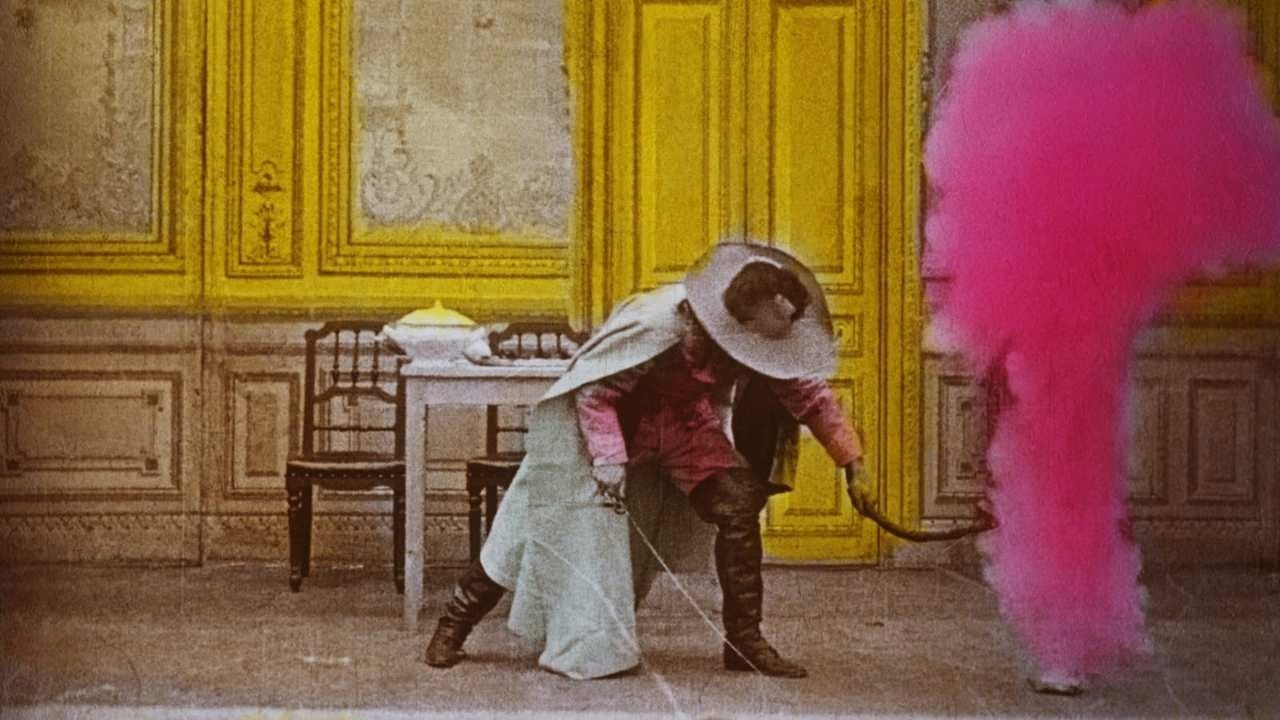
Frémaux, who serves as the director of the Institut Lumière in Lyon, has spent years meticulously restoring these reels. What he brings to Toronto is a curated selection of over a hundred of these shorts, woven together to demonstrate that Auguste and Louis Lumière weren't just inventors; they were the first true auteurs. Long before the blockbuster, they were mastering the art of the 'micro-documentary,' capturing everything from the chaotic bustle of a French street to the serene, exotic landscapes of the colonial era. Watching these films, you realize that the grammar of cinema—the close-up, the tracking shot, the comedic gag—wasn't invented over decades, but discovered in the blink of an eye by these pioneers.
A Masterclass in Framing
What makes *Lumière, Le Cinéma!* essential viewing is Frémaux’s insight into the 'creative instrument.' He argues, quite convincingly, that the Lumières were not merely recording reality; they were framing it. You will see how they manipulated their subjects, staged scenes of domestic life, and even stumbled upon the first fictional narratives. It is a profound meditation on how the camera changed the human relationship with time and memory. For a modern audience, accustomed to the hyper-edited pace of TikTok or the CGI-heavy spectacles of Marvel, there is something deeply grounding about the stillness and the raw, unvarnished humanity captured in these 50-second masterpieces.
The Venue: A Pillar of the Annex
There is no better home for this retrospective than the Hot Docs Ted Rogers Cinema. Originally opened in 1913 as the Madison Picture Palace, this venue has survived through decades of Toronto’s shifting cultural landscape to become the city’s premier destination for documentary film. Its history mirrors the very medium it celebrates: a space that has evolved from a silent-era nickelodeon to a state-of-the-art hub for non-fiction storytelling. Sitting in that dark, historic theatre on Bloor Street, you feel the weight of a century of audiences who have come to the same spot to be transported.
Making a Night of It
The Annex is arguably Toronto’s most intellectual and vibrant neighbourhood, making it the perfect backdrop for a night of high-brow film history. Before the screening, skip the chain restaurants and head to *Fat Pasha* on Dupont for some of the city’s best Middle Eastern-inspired cuisine—their roasted cauliflower is legendary for a reason. If you’re looking for something more casual, *Victory Café* on Markham Street offers a cozy, historic pub atmosphere that feels like a holdover from a bygone era, perfect for discussing the nuances of early 20th-century cinematography over a local craft pint.
Good to Know
* **The Vibe:** This is a sophisticated, cinephile-heavy event. Expect a quiet, attentive crowd that appreciates the historical significance of the footage. * **Getting There:** The Hot Docs Ted Rogers Cinema is steps away from the Spadina subway station. If you’re driving, parking in the Annex can be notoriously tricky; save yourself the headache and use the Green P lots tucked away on the side streets north of Bloor, or better yet, take the TTC. * **Pro Tip:** Since this is a curated journey through 100+ shorts, the pacing is fast and the visual variety is immense. Don’t worry about trying to memorize every frame; just let the rhythm of the early cinematograph wash over you. It’s a rare chance to see these films in their intended format—on a massive screen, with a crowd, exactly as they were meant to be experienced.